


As the nation’s thriving modern capital, there are hundreds of fun things to do in Madrid.
Major Madrid tourist attractions include the Royal Palace, the Golden Triangle of Art, Retiro Park, and the mighty Plaza Mayor. This huge city also harbors hidden surprises, such as a secret rainforest and a micro-disco in a phonebox.
This guide covers the best things to do in Madrid and handy details to assist with trip planning.
Best time to visit Madrid
Spring, early summer, or fall is the best time to visit Madrid. The weather is optimum in May, June, September, and October.
Madrid is sweltering in July/August and bone-chillingly cold in winter. However, there are plenty of indoor sites if you’re eager to skip the high-season crowds.
These guides to the weather in Spain break down what to expect in Madrid month by month.
How long to spend in Madrid
Two days in Madrid is the bare minimum for seeing the main tourist spots.
A three-day Madrid itinerary relieves the pressure and makes it easier to see beyond Centro. Meanwhile, a four-day Madrid itinerary makes it possible to add a day trip.
If you’re planning a flying visit or layover, you can still see a fair few of the headliners in 24 hours.
How to get to Madrid
Adolfo Suárez Madrid–Barajas Airport is the largest international airport in Spain with dozens of connections to European and North American cities. This guide to Madrid Airport contains everything you need to know.
Already in Spain? Travel by train to Atocha Station.

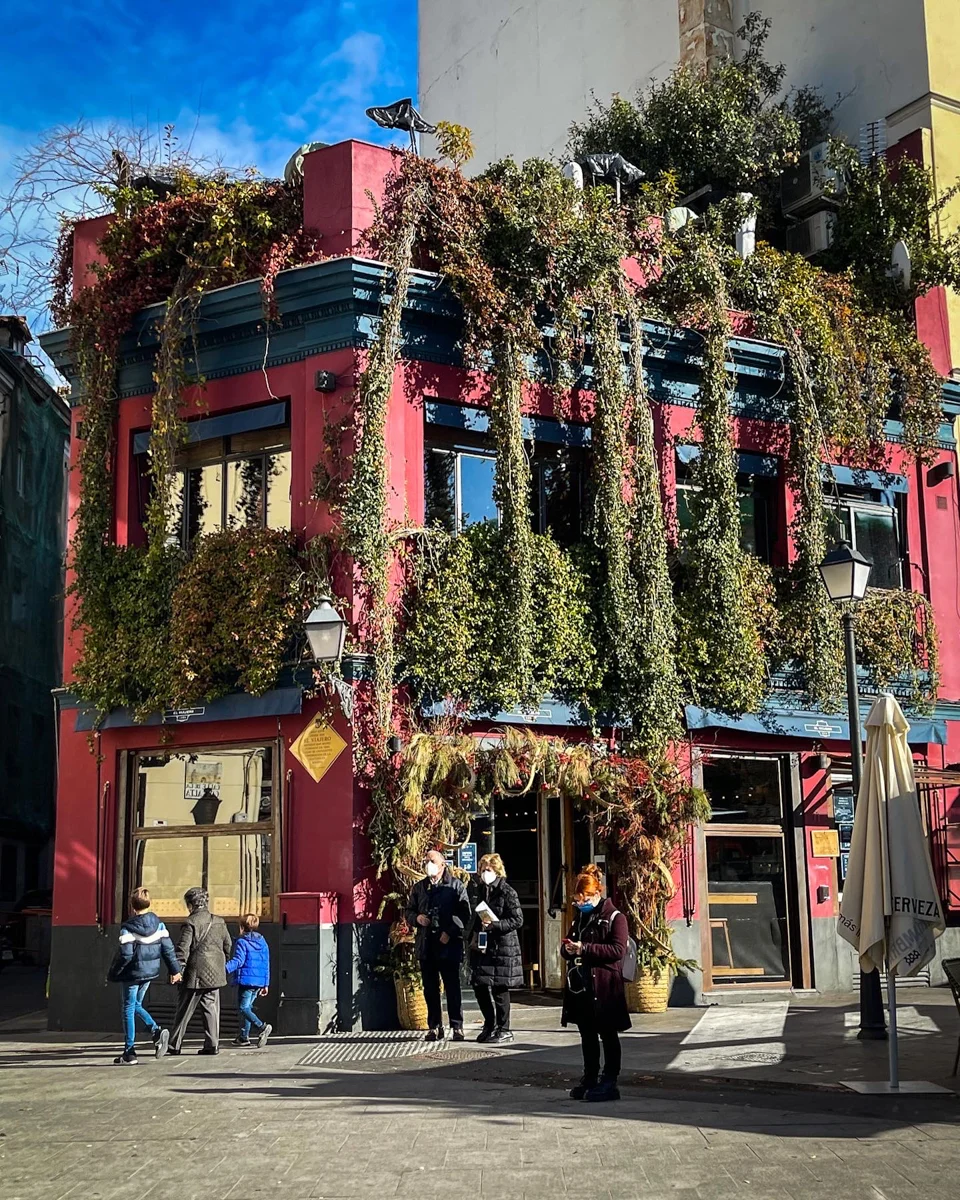
There are so many beautiful neighborhoods in Madrid, be sure to get lost amongst the side streets and explore while still checking out the main sites.
Getting around Madrid
Madrid’s neighborhoods are walkable. For longer distances, you’ll need the Madrid Metro. It’s impossible to avoid public transport in this metropolis!
Buy a rechargeable multi-card for €2.50 at any station and use that to pay for metro and bus services. You pay as you go with single tickets, pre-pay for up to 10 journeys, or buy a tourist ticket to use on up to seven consecutive days.
It’s handy to download the Madrid Metro app to monitor the balance. However, the app is a little patchy and you can also check the balance at the kiosks in any metro station.
The free Citymapper app is definitely worth downloading as this covers buses too.
Uber in Madrid works well and official taxis are safe to hail from the roadside. Cabs are white with a diagonal red band and coat of arms on the front doors. They use a taximeter to calculate a standardized rate regulated by the government.
Madrid is not cyclist-friendly unless you’re a pro or know the urban layout well. It is however pleasant to rent a bike to explore the parks. Some areas, such as Gran Vía, do have designated cycleways but it’s still quite an intense experience to pedal.
Where to stay in Madrid
A central neighborhood like Sol, Malasaña, or La Latina is best for being near must-see places in Madrid. If you’re visiting on part of a multi-destination Spanish itinerary, consider staying near Atocha Station.
Best luxury hotel in Madrid: Right on the Gran Vía, Hotel Montera Madrid, Curio Collection By Hilton has insane views from its rooftop pool and bar. Rooms are stylish and modern with vintage flair.
Most romantic hotel in Madrid: BLESS Hotel Madrid is located on the Golden Mile in the Salamanca district. This area is a little quieter yet close enough to walk to Retiro Park and the Gran Vía. Rooms are huge and retain original architectural features. The lobby restaurant serves delicious food and the rooftop bar gets a makeover every season. There’s a pool up here plus a spa in the basement.
Best mid-range hotel in Madrid: As an aparthotel, Sonder Santa Ana has the luxuries of a hotel and the comfort of an Airbnb. Apartments are available for solo travelers/ couples and families of up to five.
Where to stay in Madrid on a budget: B&B Hotel Madrid Centro Puerta del Sol is modern and central with fuss-free rooms. They have cheaper rooms for solo travelers and premium units with balconies.
26 Best Things to Do in Madrid
Without further ado, here’s what to do in Madrid.

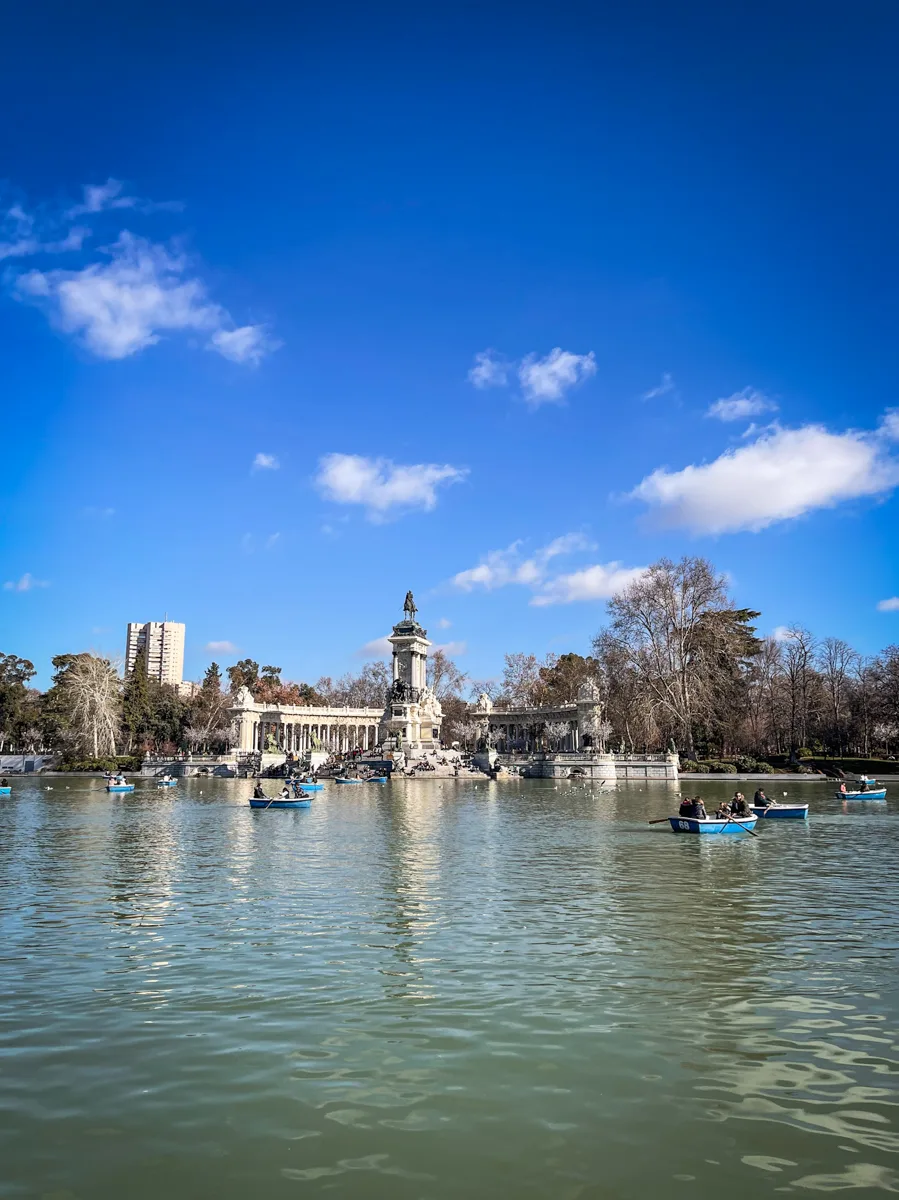
Retiro Park is a beautiful place to wander through, either on foot or by bike. Or maybe even on a little row boat!
1. Experience all four seasons in Retiro Park
What to do in Madrid on a hot summer’s day? Slap on the SPF and head to Retiro Park to eat ice cream amid trees, fountains, memorials, and rose gardens.
This UNESCO-designated park is just as popular with Madrileños as with visitors. Expect to cross paths with city residents running laps, walking their dogs, and hanging out with their kids.
It’s as much a joy to see the spring blooms and autumnal hues. Meanwhile, winter simply means throwing a warm jumper on your Spain packing list and grabbing a hot coffee for the walk.
Retiro Park and the nearby Madrid Botanical Garden are fun to visit independently.
If you want to dip into the history behind the oasis and learn about the monuments, you can hop on a tour. This Retiro Park self-guided tour is inexpensive and packed with juicy insight into the park’s identity.
2. See Spanish art at the Prado Museum
The Prado Museum is one of the best things to do in Madrid for tracing how Spanish art shifted through the ages. It’s part of the Golden Triangle, completed by the Reina Sofía and Thyssen-Bornemisza galleries.
Pieces span the 12th through 20th centuries. El Greco, Velázquez, and Goya are exhibited alongside token works from other European masters.
This is one of Madrid’s busiest tourist spots and advance tickets are firmly encouraged. Buy the Art Walk Pass for €32 ($35/£27) if you’re planning to see all Paseo del Arte galleries.
Otherwise, you could splurge on a guided tour. This Prado guided tour includes your entry ticket and a guided group tour.

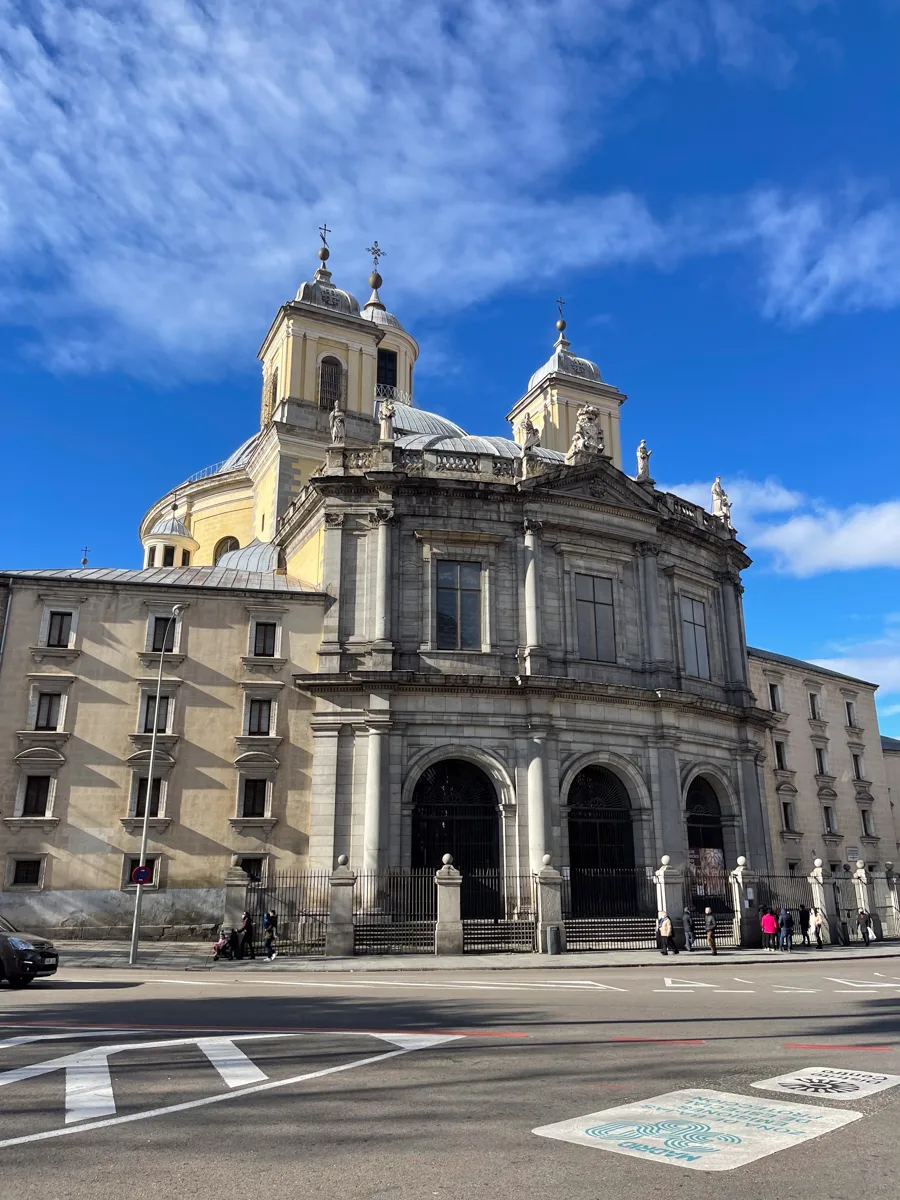
There are so many historical buildings to explore while visiting Madrid, particularly around the Royal Palace.
3. Poke around the Royal Palace
The 18th-century Palacio Real (still an official royal residence!) is a headliner Madrid tourist attraction.
Sights you’ll see include the Grand Staircase, Crown Room, Royal Library, Royal Armory, and Sabatini Garden. All spaces are ornamented with antiques and paintings by the likes of Goya and Velázquez.
The Royal Kitchen (decommissioned)carries an extra fee that’s totally worth it. It’s perhaps the finest royal kitchen on the continent with gorgeous ceramics and an Aladdin’s Cave of gleaming cookware.
Tickets do sell out and lengthy queues are always to be expected. Either pre-book tickets on the official website or sign up for a tour.
This Madrid’s Royal Palace and Royal Collections tour is led by a history expert who’ll explain the significance of the art and architecture.
4. Visit Madrid Cathedral
Another of the must-see places in Madrid stands right next to the Royal Palace.
Although the first brick was laid in 1883, Almudena Cathedral wasn’t consecrated until 1993. The exteriors honor Neoclassical, Neo-Gothic, and Neo-Romanesque architectural trends while the nave follows the archetypal Latin cross.
What is quite surprising is the colorful paintwork and funky pop art stained glass windows, both attributed to the artist Kiko Argüello.
Admission is free but donations are encouraged. The museum costs €7 (around $7.50).

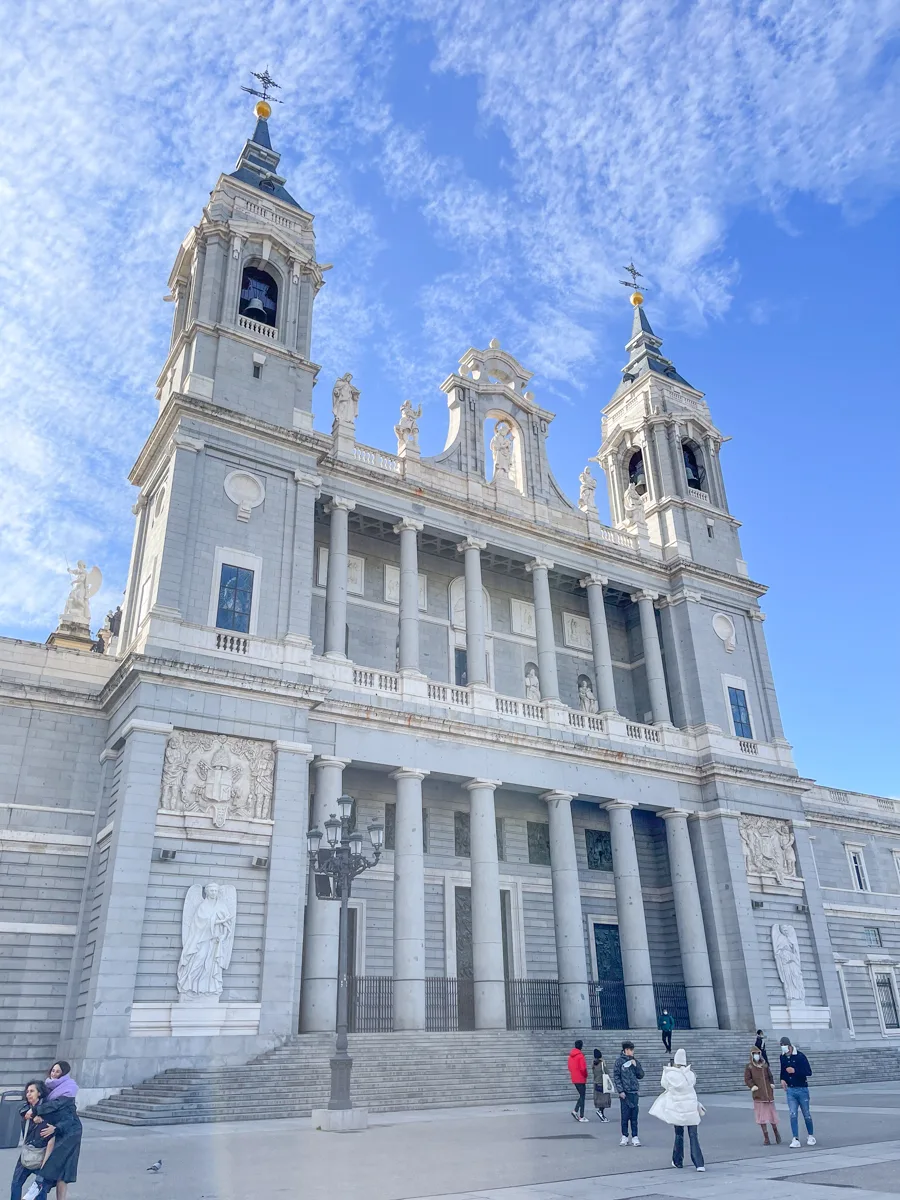
The Madrid Cathedral is a beautiful place to explore on your trip to Madrid.
5. Take a walking tour
When in Europe, take a walking tour. Madrid walking tours are an excellent means of orienting yourself in this huge city and noticing the little details you’d likely miss out on.
This almost-free walking tour in Madrid is a cost-effective option. Online bookings apply a €3 booking fee and all participants are expected to tip the guide. The daily tour lasts 2.5 hours and focuses on the major plazas and landmark buildings around Plaza Mayor, Puerta del Sol, and the Royal Palace.
This city walking tour applies a deeper perspective into the city’s history. It strikes a balance between topline sights and lesser-known spots. Plus, the guides are known to dish out insider tips on where to eat!
The final option is to splurge on a private walking tour in Madrid. Aimed at families and groups traveling together, these have the benefits of a hotel pick-up and a smaller group. The cheaper walking tours do tend to be quite large which not everyone loves.
6. Catch a sunset at the Temple of Debod
If seeing the Giza Pyramids is on your wishlist, then the Temple of Debod is the perfect warm-up act.
This temple was built in Egypt in the 2nd century BC. After being gifted to Spain in 1968, it was reconstructed in La Montaña Park. Standing north of the Royal Palace, the temple retains its original east to west orientation.
The temple is free to visit. It’s one of the top things to do in Madrid around sunset or at sunrise if you’d rather avoid the crowds.

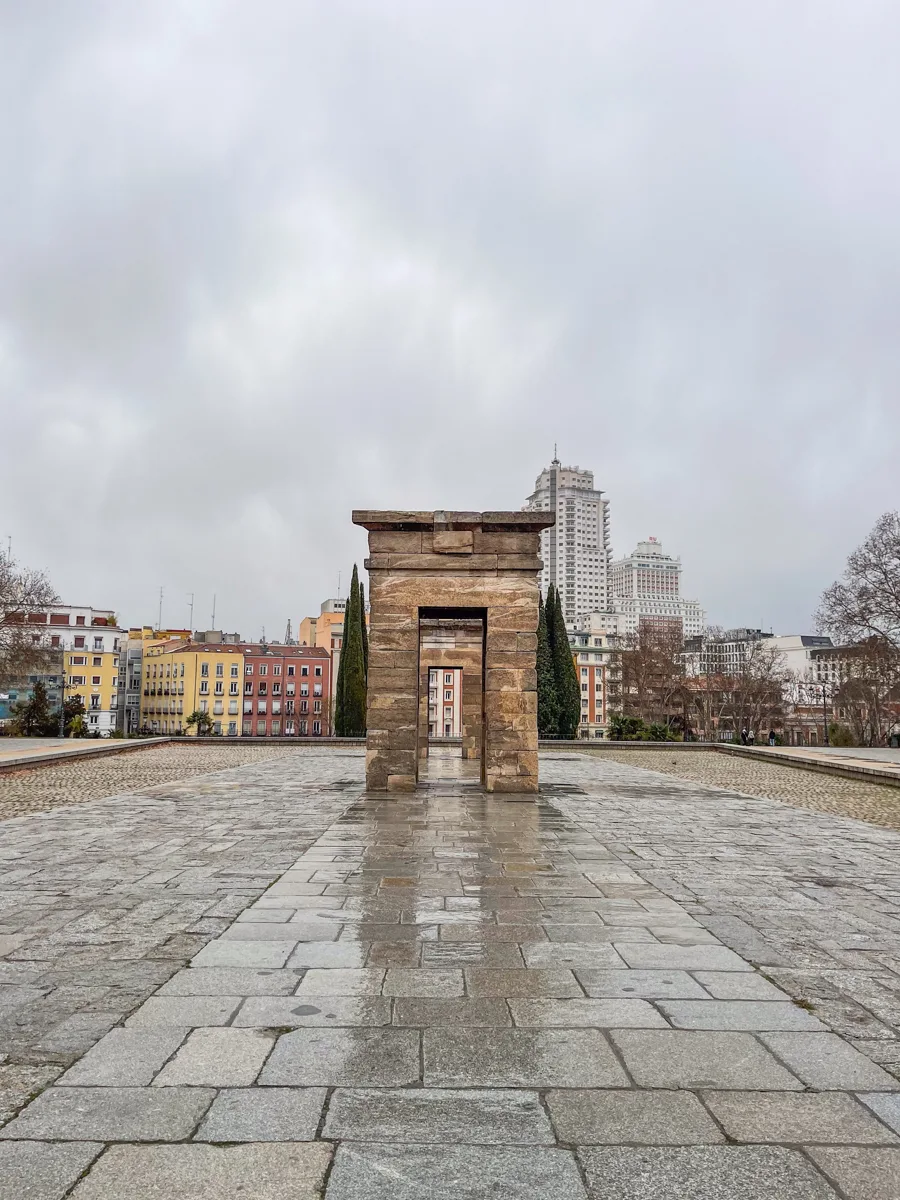
Temple of Debod is a fascinating place to explore and well worth visiting at any time of day!
7. Watch a flamenco performance
Seeing a performance at one of the capital’s tablaos (flamenco bars) is one of the most cultured things to do in Madrid at night. These bars are deeply atmospheric spaces where you can’t fail to be swept away by the passion of the art.
Corral de la Morería is one of Madrid’s oldest flamenco theaters where renowned performers take the stage. The food is outstanding and deserving of its Michelin star. Check times and book via the website.
Tablao Flamenco 1911 is another historic tavern where the art and food has an Andalucian twist. Check times and book via the website.
8. Roam Madrid’s neighborhoods and markets
What to do in Madrid when you’re running low on euros? Slip into your comfiest shoes and explore the neighborhoods with your camera.
The heart of the Centro district is the setting of monumental plazas, including the Renaissance-style Plaza Mayor and Puerta del Sol. Don’t miss the Bear and the Strawberry Tree statue. “El Oso y el Madroño” depicts Madrid’s coat of arms, as sported by official city taxis.
Do also pop into Plaza de Villa. This small square is thought to be the oldest plaza in Madrid and it offers a moment of calm before hurling yourself into its busier neighbors.
Madrid’s Centro district is broken down further into hip barrios awash with vibrant street murals and pretty minor plazas. Stop off for coffee, cerveza, and niche museums as much or as little as you wish.
Most of them have their own markets where you can grab a wallet-friendly bite and soak up the atmosphere while Madrileños stock their pantries.
Lavapiés is a hub for street art, markets, and global cuisine. Nearby, the cobblestone streets of Barrio de las Letras were once resided in by writers and you’ll find tributes to their work dotted around.
Malasaña is one of the coolest neighborhoods in Madrid complete with a free-to-visit cultural center. This and La Latina have awesome energy by day and a lively nightlife.

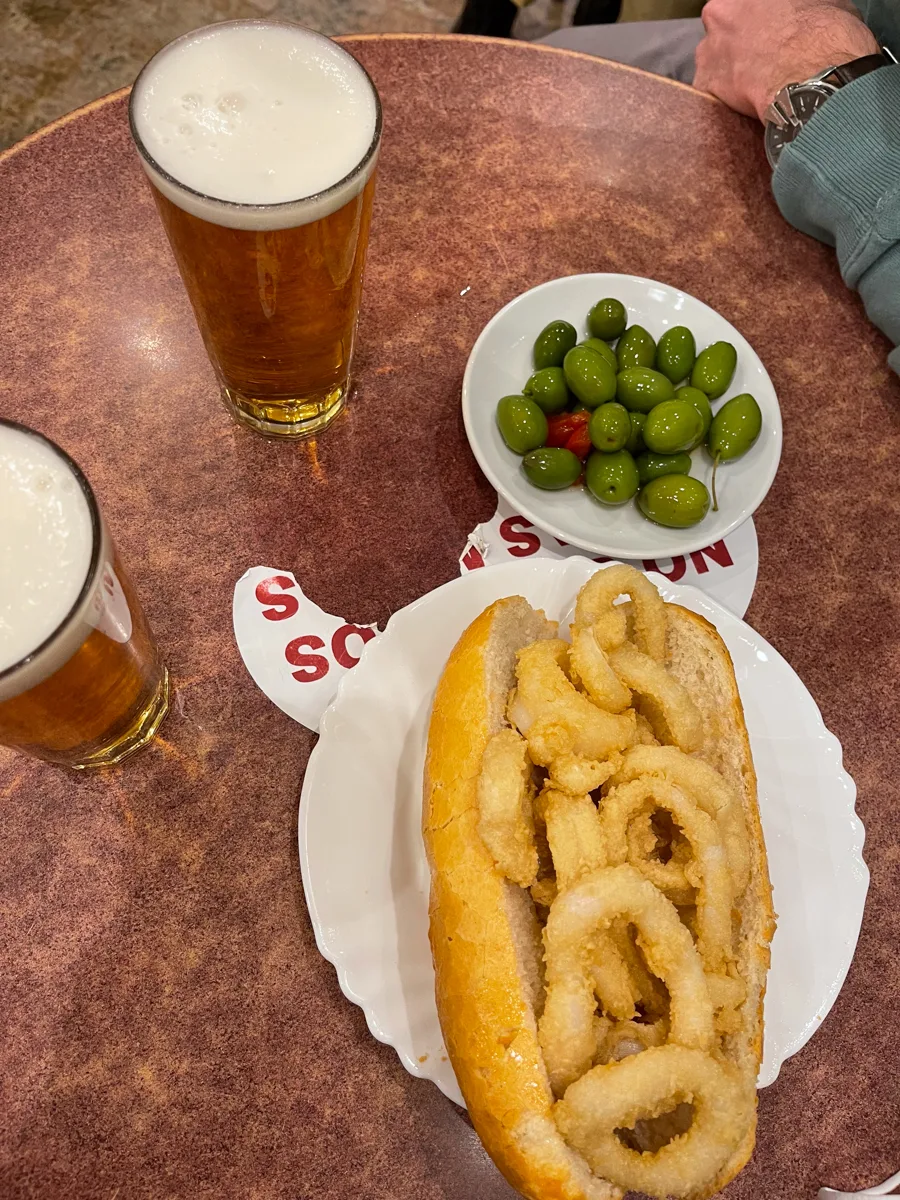
As you wander the different neighborhoods and markets, stop where the locals stop for lunch and enjoy some traditional and affordable delicious foods!
9. Tour Santiago Bernabéu Stadium
Taking a tour of Santiago Bernabéu Stadium is one of the best things to do in Madrid for football/soccer fans!
As the home ground of Real Madrid, you might even be lucky to score tickets to a match. Otherwise, a Bernabéu Stadium visitor ticket gives you free rein to roam the stadium and museum.
There’s no guide service with this tour so you’ll explore unaccompanied. There’s plenty of multimedia content and signage to explain the exhibited kit, balls, trophies (lots of trophies), and goal-scoring boots.
Just pay attention to the ongoing renovations as certain viewing areas are subject to disruption.
10. Take a food tour in Madrid
If this is your first trip to Spain, food is likely at the forefront of your mind.
Madrid is one of the best places for Spanish cuisine from all regions. Traditional tapas joints vie for attention alongside upmarket bistros and churrería (churro cafes and stalls).
Taking a tapas food tour is one of the top things to do in Madrid at night. These focus on secret spots and have the perk of picking up tips on how to recreate favorite dishes back home. Most include wine, vermouth, and beer tastings too.
Dine out on these food tours in Madrid with daytime, vegan, and cycling options.

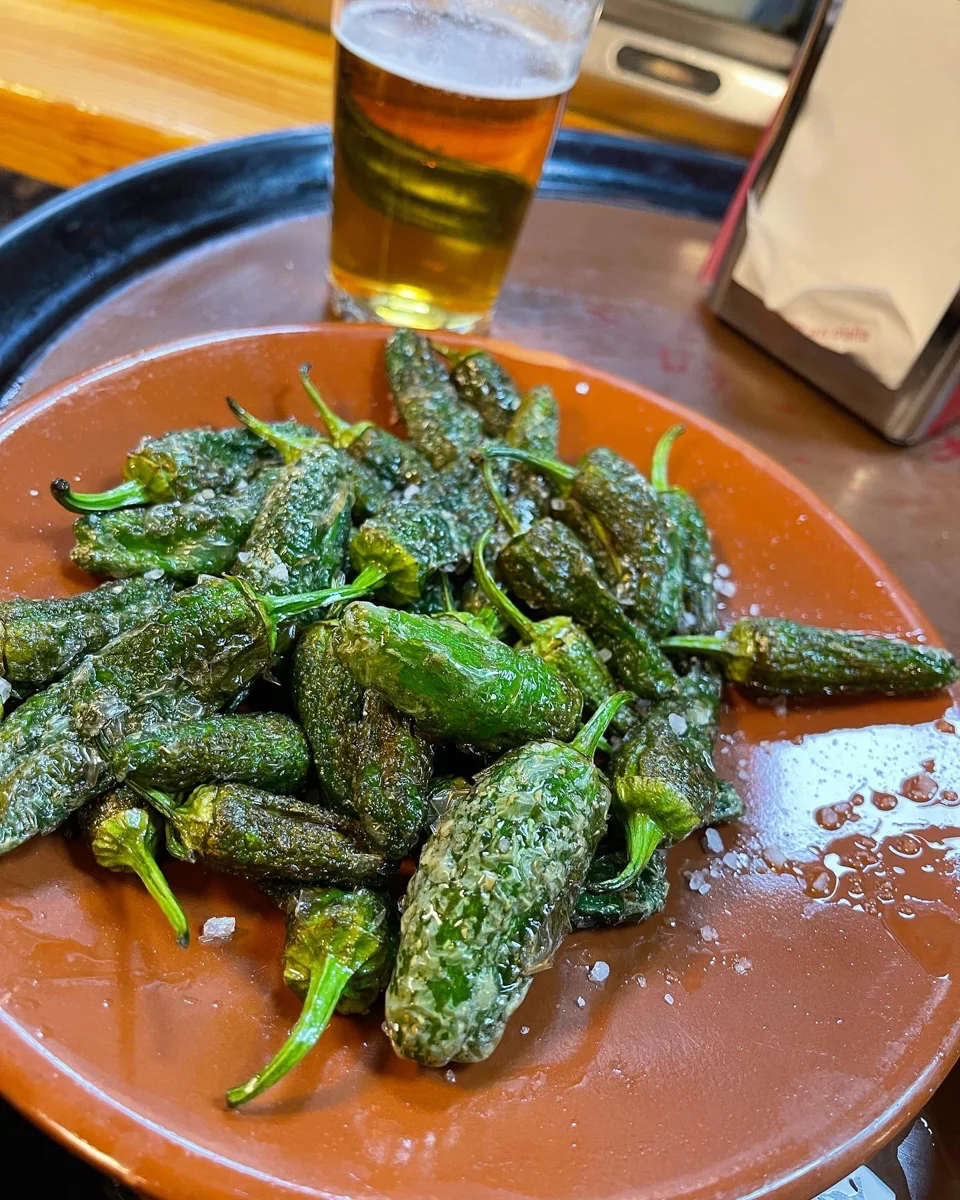
Taking a tapas or food tour during your trip is one of the best things to do in Madrid for food lovers! You will learn about the history and sample local cuisine.
11. Learn about surrealism at the Reina Sofía Museum
The Reina Sofía Museum joins the Prado as one of the key Madrid tourist attractions for art.
This institute focuses on contemporary and surreal art with the likes of Dalí and Picasso hogging the limelight. Travelers flood the gallery for a chance to see Picasso’s iconic Guernica canvas.
Visit independently or sign up for this Reina Sofía guided tour for the lowdown on surrealist art. It’s packed with rarely-heard tales from the artists’ private lives.
12. Brush up on art history at Thyssen-Bornemisza
The Thyssen-Bornemisza National Museum completes Madrid’s Golden Triangle of Art. Of the three, this is the best museum to visit to see Spanish works alongside other European artists through the ages. It houses a blend of Old Masters and Modern Masters.
Spanish artists are exhibited alongside Jan Van Eyck, Caravaggio, Rubens, and Monet. It’s one of the largest private collections in the world.
If you don’t buy the Art Walk Pass, consider taking a guided tour. This museum is huge and with a guide you can learn all about the history and impact of some of the pieces in the museum.
13. Stroll down Gran Vía
Known as Madrid’s “Broadway”, Gran Vía stretches from Plaza de Cibeles to Plaza de España. Most buildings popped up between 1910 and 1931, resulting in a blend of traditional Iberian architecture and influences from North American cities.
Gran Vía is one of the must-see places in Madrid, especially around dusk and early evening when the sky darkens. However, you’ll want to visit in daylight too to study the splendid facades in all their glory.
Naturally, this area is a hub for dining, shopping, and luxe accommodation.
The best restaurants are located down the side streets along Gran Vía. El Cucurucho del Mar, near Plaza del Callao, is a great option for lunch. This Galician restaurant has a huge selection of seafood and shellfish on the à la carte and a wallet-friendly fixed-price menu. It’ll cost you around €15 for three courses and a generous portion of house wine.

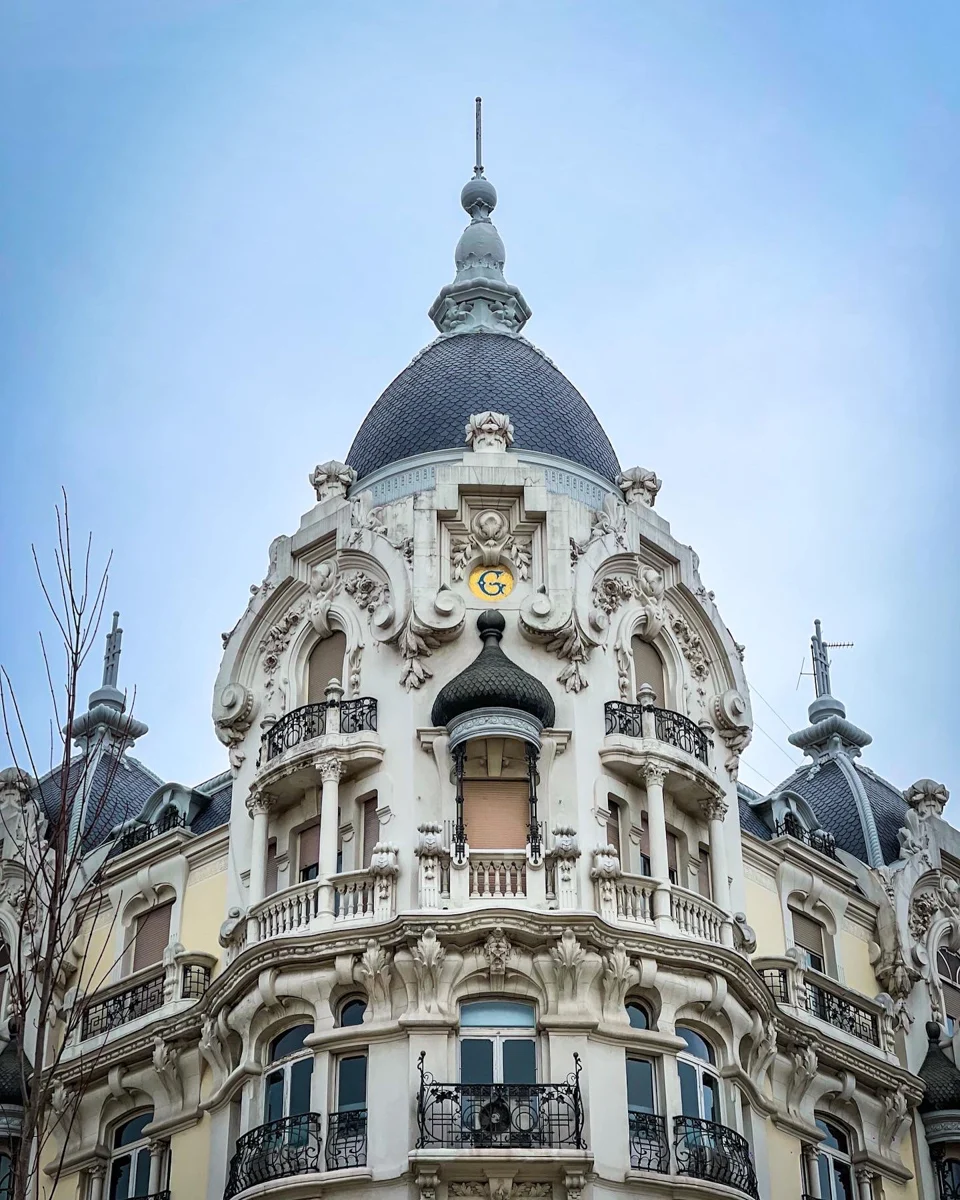
There are so many stunning buildings to spot along Gran Vía, be sure to look up!
14. See what’s on at Matadero Madrid
Another of the best things to do in Madrid at night for culture, Matadero Madrid was a slaughterhouse that has been repurposed into a cultural center.
The venue is spread over multiple buildings in a riverside park near the Legazpi Metro. These host ever-changing art exhibitions by day and theatrical performances at night alongside summer festivals.
There’s also a cinema showing art house flicks and documentaries which makes for a thought-provoking evening out in Madrid.
15. Visit Atocha Station’s jungle
One of the most offbeat Madrid tourist attractions, Atocha is quite literally a train station – and the busiest of the city’s two main terminals.
Atocha Station is divided into two parts: Estación de Puerta de Atocha and Estación de Cercanías de Atocha.
If you arrive in Madrid by train (or take a day trip), take a quick gander around the platform rainforest before heading to your hotel. It contains around 400 species of plants and flowers.
The tropical exhibition is located in Estación de Cercanías de Atocha. It’s a fairly long walk over from Estación de Puerta de Atocha so do allow plenty of time of you are squeezing this in before catching a train.
Otherwise, it’s a worthy side trip after visiting Retiro Park, the Madrid Botanical Garden, and the Art Walk.

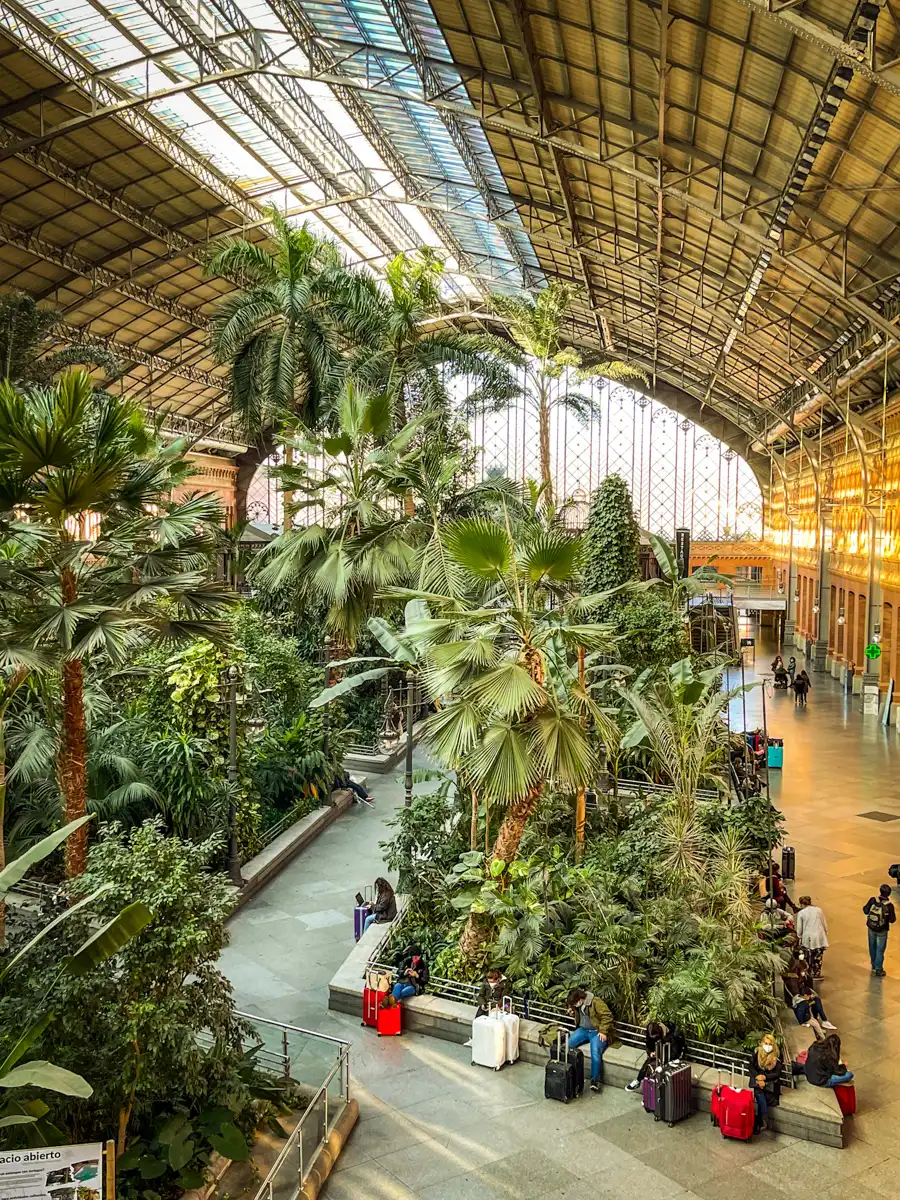
This repurposed area of the station is one of the most beautiful little spots to relax after a chaotic day in the city.
16. Plan a day trip from Madrid
If your itinerary permits, a day trip is one of the top Madrid things to do. You’ll need to spend a couple of nights in town to make this a reality.
Even with just two days, the “Imperial City” of Toledo is close enough by train to visit for a few hours. If you’re an overachiever, you can visit Toledo, Segovia, and Ávila all on the same day with an organized three-city tour.
Other exciting day trips from Madrid whisk you away to clifftop medieval towns, monasteries, and wine regions.
17. Take the sun at Madrid Beach
What to do in Madrid when temperatures soar? Hit the beach – yes, really!
When deciding between Barcelona or Madrid, the Catalan capital always scores extra points for its beautiful sandy beaches. But, Madrid has something to offer too.
Playa de Madrid Río is an artificial, seasonal beach on the banks of the Manzanares River. It’s part of the Madrid Río Park which has sports facilities and playgrounds. It eventually meets the park containing Matadero Madrid.
It’s not quite the same experience as the beaches of Menorca and the Spanish Costas but it hits all the right notes on a hot summer’s day.
18. Party at Teledisko
At one square meter, Teledisko is the world’s smallest nightclub. Hailing from Berlin, Madrid is the brand’s first venture overseas.
The coin-operated micro disco accommodates three revelers at a time. It costs €2 and the idea is to step inside the booth, play a tune, and continue the night on the terrace. It’s certainly one of the kookiest things to do in Madrid at night.

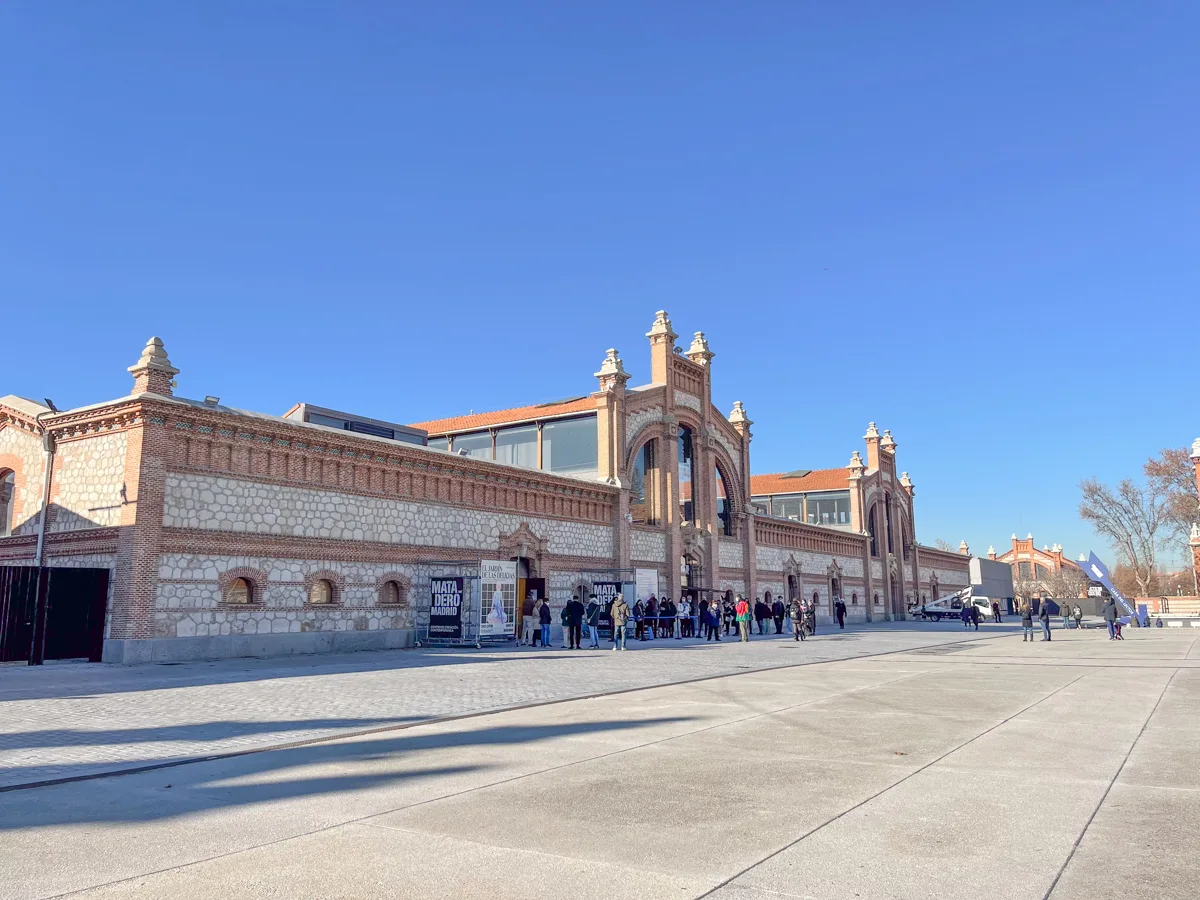
The Matadero is a fun place to explore during a trip to Madrid.
19. Explore La Casa de Campo
West of Centro, La Parque Casa de Campo is a hunting estate turned urban park.
Dwarfing Retiro Park, the grounds consist of woodland trails, babbling brooks, and a boating lake. There is also an amusement park, aquarium, zoo, and cable car.
La Casa de Campo is one of the best things to do in Madrid in fall when the trees turn golden. It’s also lovely in summer if the heat gets to you. The weather in Spain in August is scorching in Madrid.
The park is served by the Casa de Campo, Batán, and Lago metro stations.
20. Go skiing near Madrid
Winter is the best time to visit Spain for the possibility of seeing snow in the countryside surrounding Madrid. And, you can even ski in the valleys surrounding the capital.
Ski season starts at the end of November with January and February bringing the best conditions, usually. Navacerrada and La Pinilla are the closest options for skiing on a day trip from Madrid.

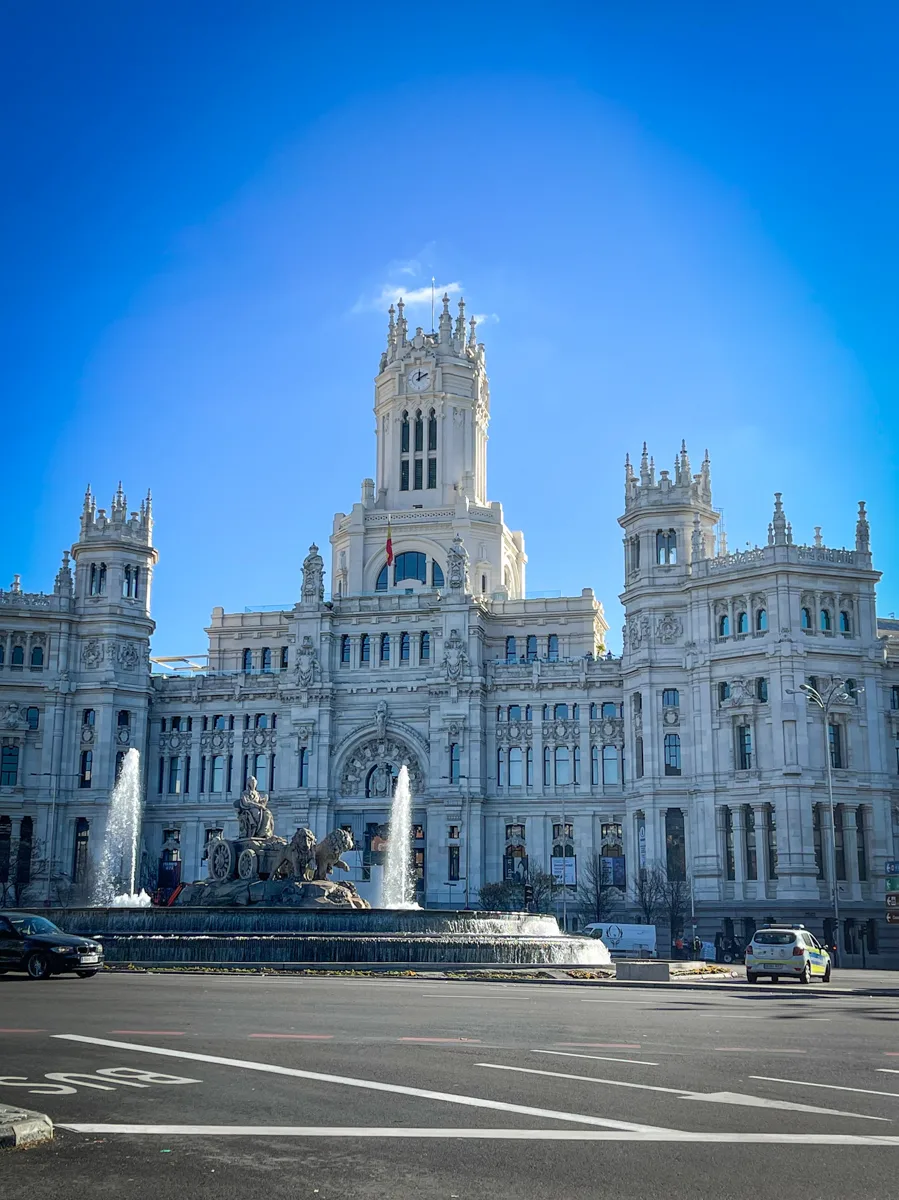
Nearby Retiro Park is the stunning Fuente de Cibeles and Cibeles Palace.
21. Partake in a festival in Madrid
Madrid has a busy schedule of festivals relating to flamenco, jazz, Pride, food, literature, and film alongside religious festivities.
The summer music festival, Mad Cool, and the annual Autumn Festival (Festival de Otoño) of performing arts are two major happenings in Madrid.
The Fiesta de San Isidro is one of the most famous festivals in Spain relating to a patron saint. And, it takes place in Madrid!
This May festival is an excuse for Madrileños to take to the streets playing music and grazing on street food. It’s thoroughly festive and coincides with one of the loveliest months for weather in Spain.
22. Explore Madrid’s tapas bar scene
Madrid is one of the best cities in Spain to enjoy a traditional Spanish tapas crawl. There are an abundance of areas to spend your time, but one of the most famous is Calle Cava Baja.
Calle Cava Baja is a street in the La Latina neighborhood. This little street is home to over 50 tapas bars! A few not to miss include La Concha for their house vermouth and La Perejilla for incredibly delicious tapas.
Another great neighborhood to explore for tapas is Barrio de las Letras or the Literary Quarter. This is where you’ll find spots where Hemingway drank and where Cervantes lived (and probably drank).
While in the Literary Quarter, check out Taberna Malaspina for a typical Madrid tapas experience, Casa Toni for great grilled meats, and La Venencia for sherry.

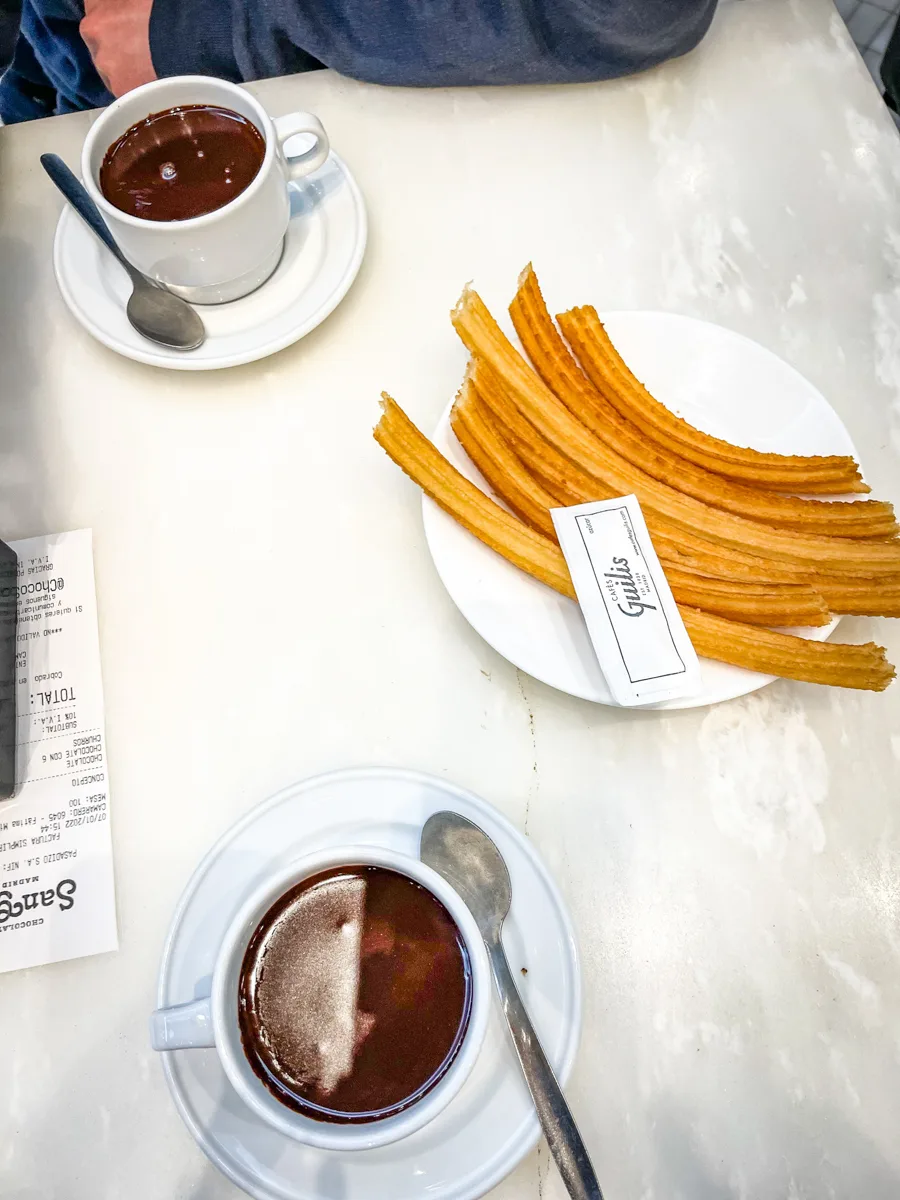
Churros in Spain are a delicious addition to any list of the best things to do in Spain!
23. Eat Churros
Spain is the birthplace of churros, so you don’t want to miss out on sampling this decadent delight while visiting the city.
The oldest and most reputed place to have churros in Madrid is Chocolatería San Ginés. It’s a common breakfast in Spain, but they are open all day, so come when you feel ready to have a mug full of melted chocolate.
The churros are served piping hot and you dip them into the melted chocolate. The churros are sweet while the chocolate is rich and almost bitter. They balance each other perfectly.
Since this is such a popular spot, you may have to wait to get a table, but it’s absolutely worth the way.
24. Brave the Sky Bar at Hotel Riu
Located in Plaza España, Hotel Riu is another option for where to stay in Madrid. This luxury hotel has a rooftop bar on the 27th floor with the craziest views of the city.
Guests of the hotel can visit the terrace for free whereas non-residents are charged €5 ($5.20). It’s worth it! The entrance is around the back of the hotel on Calle del Maestro Guerrero.
Once at the top, you can wander around the walkways and brave the glass bridge. There is also a glass terrace where you can line up for a photo, taken by the roving photographer or just use your own camera.
The Hotel Riu Sky Bar serves food and cocktails and there’s plenty of tables if you decide to hang around. The prices aren’t cheap but they’re in keeping with what you’d expect from a luxury hotel bar.
There’s also a good viewpoint in the cafe at the El Corte Inglés department store at Plaza del Callao. They’re not quite as dramatic but it is free to visit and you’ll find realistic prices on the food menu.
25. Swing by La Casa Encendida
La Casa Encendida is a cultural center in Lavapiés with multiple exhibition halls. It’s free to visit the center and check out the latest art installations. The venue also hosts workshops and performances from time to time.
There’s a nice cafe on the rooftop which is open during summer. However, you can pop up to see it when it’s closed. There’s no view here but the environment is lovely.
You can check out what’s on at La Casa Encendida online or simply drop in.
26. Spend Christmas in Madrid
Although Madrid has a chillier winter climate than Barcelona, Valencia, and Andalucian cities, it’s charming during the holiday season. The city is illuminated with light installations and Christmas trees while special services are held in churches and department stores.
A huge variety of regular tapas and Spanish cuisine in served and you can antipate eating sweet treats like turrón and shortbread cookies called polvorones.
Provided you work around closures on the main days – Nochebuena and Navidad – Christmas in Madrid is a wonderful contender for where to spend the holidays. You could even lace up your sneakers and join the San Silvestre “fun run” on New Year’s Eve. That’s a way to start the New Year in good health!